Menopause is often discussed as a collection of symptoms, but for many women it is also a major metabolic, cardiovascular, and hormonal transition.
This article is about what happens when those changes are overlooked, how that shaped my mother’s health, and why her story has changed the way I approach my own menopause, hormone therapy, and long-term risk. When I look at my mother’s medical history today, I see it very differently than I did when I was growing up.
My mother had two children at 29 and 30 years old. Less than a decade later, at 39, her periods stopped naturally. There was no surgery and no planned medical intervention. Her reproductive years simply ended.
Looking back, I suspect the transition had begun well before that. Long before her periods disappeared completely, she had already struggled with her mental and physical health. She dealt with hypothyroidism, and there were changes in her body and metabolism that nobody would have connected to perimenopause at the time.
By her early forties, the symptoms were impossible to miss. She had massive hot flashes, and her moods became harder to manage. She had always had a strong personality, but those years intensified things. She became easily irritated and quick to anger, and the atmosphere at home was very stressful.
She was also working a demanding job, raising two children, managing a household, and trying to understand what was happening to her. Most importantly, she was asking for help.
She went to the doctor often because she knew that something was wrong. But instead of looking at the right cause of her symptoms, she was treated with medications for anxiety, depression, and sleep, while the hormonal transition itself received no attention.
She never got an explanation about the disappearance of her periods at 39, or that the loss of ovarian hormones could affect far more than menstruation and hot flashes. Obviously, hormone therapy was never offered to her.
What we know now changes the way I see her story
A woman whose ovarian function stops before 40 would now be evaluated for premature ovarian insufficiency, or POI. Current international guidelines do not treat this as simply an inconvenient early menopause.
They recognize consequences for cardiovascular health, bone, cognition, psychological well-being and quality of life. The current POI guideline states that women with untreated POI have reduced life expectancy, largely because of cardiovascular disease, and recommends hormone therapy until approximately the usual age of menopause to reduce morbidity and mortality when there is no contraindication.
It also states that estrogen therapy has beneficial cardiometabolic effects and that women with POI who do not use hormone therapy have increased cardiovascular events and mortality.
The recommendations for bone are equally clear. POI is associated with reduced bone mineral density and abnormal bone structure, and hormone therapy is recommended to maintain bone density and prevent osteoporosis.
My mother eventually developed osteoporosis. She also developed high blood pressure, high cholesterol, and metabolic dysfunction. By around age sixty, she already had diabetes and cardiovascular disease.
She was never obese, but yes, she was overweight, particularly around her waist, in the way many women become after menopause. In retrospect, the pattern looks painfully familiar to me because I later began developing some of the same problems myself.
Her cardiovascular disease eventually became severe. She needed bypass surgery for badly diseased arteries, but the surgery did not happen in time.
During her last years she suffered repeated heart attacks, heart failure and cardiac arrests. She was resuscitated multiple times during her final months. She died at 71.
My grandmother, her mother, had also suffered from diabetes and cardiovascular problems and died at 72. That is the family history I carry with me. And that is why menopause will never be, for me, a conversation limited to whether a woman has hot flashes.
Medicine treated everything downstream
My mother did what patients are constantly told they should do. She went to doctors, she took the cholesterol medication, she took the beta-blocker, her high blood pressure medication, and the diabetes treatment.
She followed diets and tried to manage her health the best she could, with the best knowledge she had.
Medicine treated every disease as it arrived, but I cannot help looking backward now and wondering why nobody was equally interested in the enormous endocrine change that had occurred decades earlier.
Everything was managed individually. She was on thyroid medication; she had high blood pressure, high cholesterol, rising blood sugar, insulin resistance which ended upup as diabetes.
Osteoporosis became another diagnosis to add to the list, while her mental symptoms were addressed separately as psychiatric concerns. What was missing was a broader view of how these changes might have been connected.
What seems to have disappeared from the medical story was the fact that this woman's ovarian hormones had essentially left the building at 39.
We know much more today about what happens during the menopause transition. The American Heart Association describes it as a period of vulnerability in which significant cardiometabolic and vascular changes occur.
LDL cholesterol tends to rise, metabolic syndrome becomes more common, body composition changes, and vascular remodeling accelerates. Earlier natural menopause is itself a marker of greater cardiovascular risk.
That does not mean estrogen deficiency single-handedly caused every disease my mother developed. Cardiovascular disease and diabetes are multifactorial, and she clearly inherited a strong predisposition.
But genetics and hormones do not have to be competing explanations. Perhaps the more sensible way to see it is that my mother already carried metabolic and cardiovascular vulnerability and then lost the protective effects of ovarian hormones far earlier than most women.
That should have mattered. Today, we know that it does.
Then the story started repeating itself in me
This is where my mother's history stopped being history.
I spent many years in perimenopause without knowing what was happening to me. I also begged for help. By the time I finally received hormone therapy, almost seventeen years had passed since the beginning of that transition, including about three years into menopause.
Those years were brutal. For almost four years, I could barely sleep properly. I struggled with dizziness, intense muscle and joint pain, hot flashes, and an inability to tolerate heat, among other symptoms.
I had recurrent kidney stones. My blood pressure increased. I gained approximately 45 pounds, much of it around my waist, and eventually developed insulin resistance and prediabetes. (Read more about symptoms of menopause)
I was huffing and puffing my way through daily life and felt physically miserable. There was a point when I looked at the way I was living and thought that a life spent feeling that bad did not seem like much of a life.
I kept asking for help. And, remarkably, my experience began to resemble my mother's.
I was sent from one place to another. I saw doctors in different specialties. I was told to exercise. I was offered acupuncture. When I complained about pain, antidepressants and muscle relaxants entered the discussion. The cardiologist told me that my palpitations were related to anxiety, therefore, she sent me to a psychiatrist. (Sounds familiar?)
Eventually, after making my way through cardiology, endocrinology, psychiatry, and other medical hoops, a doctor finally had some mercy and gave me a prescription for estrogen and progesterone.
It was a tiny beginning. I left that office almost crying with happiness. I remember feeling as though I had won the lottery, which says something deeply troubling about women's healthcare.
A suffering menopausal woman should not feel as though she has won a prize because someone finally agreed to treat her menopause. And by the way, in less than a month, most of my symptoms vanished, and I got my life back.
Hormone loss is not physiologically neutral
This is the part of the conversation that frustrates me most. Medicine is extraordinarily skilled and comfortable discussing every conceivable bad thing that might happen if a woman takes hormone therapy.
That discussion is necessary. Treatment has to be individualized, and women deserve accurate information about risks. But where is the equally serious conversation about what happens when estrogen disappears?
We sometimes talk about hormone therapy as though we are adding an unnecessary substance to an otherwise unchanged body. That is not what menopause is. The body has already changed.
Estrogen receptors exist throughout the body, and the decline in estrogen affects multiple systems. The menopausal transition is associated with changes in vascular health, lipid metabolism, insulin sensitivity, body composition, and bone.
Hormone therapy also has demonstrated effects beyond symptom control. It helps preserve bone and reduce fracture risk. The Menopause Society notes that women who use hormone therapy have a lower risk of developing type 2 diabetes and that starting hormone therapy within ten years of menopause may lower cardiovascular risk in appropriate women.
For women with premature ovarian insufficiency, such as my mother appears to have had, the case is stronger still: current guidelines specifically recommend hormone therapy until the usual age of menopause for prevention as well as symptom treatment.
So I no longer accept a conversation in which only the risks of replacing hormones are considered medically interesting.
Not treating is also a decision. And decisions have consequences.
We are not all going crazy after forty
There is another part of my mother's story that I understand differently now.
Her mood and sleep symptoms were treated, but the possibility that they were connected to early menopause seems to have been largely overlooked. Decades later, women are still experiencing versions of the same thing.
A woman in her forties can develop insomnia, anxiety, irritability, difficulty concentrating, changes in mood, and physical symptoms at the same time her menstrual cycle begins changing, yet the hormonal transition can still be missed.
NICE(The UK’s National Institute for Health and Care Excellence) explicitly recognizes depressive symptoms, joint and muscle pain, hot flashes, sleep problems, and other symptoms as part of menopause care. It recommends considering HRT for depressive symptoms that begin around the same time as other menopause symptoms when those symptoms do not meet the criteria for clinical depression.
This does not mean every woman with anxiety or depression has a hormone problem. It does not mean psychiatrists or psychiatric medications are unnecessary.
It means we should stop behaving as though women collectively become mentally unstable somewhere after forty and need to be sent automatically toward psychiatric treatment before anyone bothers to ask what their ovaries are doing.
Sometimes depression is depression. Sometimes anxiety requires psychiatric treatment, and sometimes both can coexist with menopause. But sometimes the doctor is looking at perimenopause and simply does not recognize it.
That distinction matters. Women deserve physicians curious enough to ask the next question.
Menopause should not belong only to gynecology
I believe every physician who routinely treats middle-aged women should have at least a basic working knowledge of perimenopause and menopause.
I am not asking every cardiologist, psychiatrist, or orthopedic surgeon to become a menopause specialist. I am asking them to recognize the physiology.
- A cardiologist should understand that the menopause transition affects cardiovascular risk.
- An endocrinologist should understand its relationship with metabolism, glucose regulation, body composition, and bone.
- A psychiatrist evaluating a woman in her forties for newly worsening insomnia, anxiety, or mood symptoms should know enough to ask about menstrual changes, hot flashes, and other signs of perimenopause.
- A doctor treating musculoskeletal pain should at least be aware that hormonal changes may be part of the picture.
- A primary-care physician should recognize the overall pattern and know where to refer a patient when more specialized menopause care is needed.
That should not be an outrageous expectation in 2026.
The lack of menopause training among doctors is well documented. In a U.S. study of residents in internal medicine, family medicine, and OB-GYN, only 6.8% said they felt adequately prepared to manage menopause.
A broader review published in 2026 found that menopause education is still inconsistently taught across healthcare disciplines. The problem is significant enough that The Menopause Society has launched dedicated programs to improve menopause training for healthcare professionals.
Women are paying the price for that educational gap.
I want the entire risk equation
Cancer matters to me; of course it does. But I am not only a pair of breasts waiting to develop cancer.
When I think about aging and look at my own family history, these are the outcomes that concern me:
- Cardiovascular and metabolic disease, including coronary disease, heart failure, insulin resistance and diabetes, because I watched these illnesses dominate the last years of my mother's life.
- Osteoporosis, fractures and loss of mobility, because estrogen deficiency affects bone and because I want to remain physically capable and independent as I age.
- Cognitive decline and loss of independence, because longevity without the ability to participate meaningfully in my own life is not the outcome I am seeking.
- Cancer, because cancer absolutely belongs in an honest risk discussion, but it should not be allowed to erase every other possible health outcome.
- Quality of life, including sleep, pain, physical function, emotional well-being, relationships and the ability to enjoy the years I have.
I want to understand the potential risks of hormone therapy. I also want to understand the risks and consequences of prolonged hormone deficiency.
I want cardiovascular outcomes, metabolic outcomes, fractures, cognition, mobility, quality of life, mortality, and cancer to be considered together. I want the whole risk equation.
Then, I want enough information to decide what risks I am personally willing to accept.
What I want from doctors now
I do not expect a doctor to promise that hormone therapy will prevent every disease that affected my mother and grandmother.
I do expect current, thoughtful and individualized medicine.
I want doctors who:
- take my family history seriously, including the strong pattern of diabetes, metabolic dysfunction and cardiovascular disease among the women in my family;
- look at my health as an interconnected system, rather than treating insulin resistance, cholesterol, blood pressure, bone health, weight, menopause and cardiovascular risk as unrelated problems occupying the same body by coincidence;
- have at least a basic understanding of menopause, regardless of specialty, so they can recognize when hormonal changes may be contributing and refer me to someone knowledgeable when necessary;
- continue learning throughout their careers, because science changes and patients should not lose access to appropriate care because a physician is still practicing according to information learned decades ago;
- explain their reasoning, particularly when refusing a treatment, so I know the decision is based on my individual risks and current evidence rather than fear, personal bias or lack of familiarity;
- do not gatekeep medication simply because they are uncomfortable with it, while still telling me clearly when there is a genuine contraindication or meaningful medical risk;
- consider the consequences of treatment and non-treatment with equal seriousness, instead of treating doing nothing as though it were automatically the safer choice;
- treat quality of life as a legitimate medical outcome, because years spent unable to sleep, in pain, exhausted and barely functioning are not medically irrelevant simply because the patient is still alive;
- respect my right to make informed decisions about my own body, after I have been given honest information about what is known, what remains uncertain and what my options are.
I respect medical expertise. What I do not accept is confusing expertise with ownership. This is my health, and I am the person who must live with the outcome.
I have an opportunity my mother never had
My grandmother did not have the information available to women today, and neither did my mother.
My mother lived through a medical era in which a 39-year-old woman could stop menstruating, develop severe symptoms, be halfway treated for her mental distress, and then spend decades accumulating metabolic, skeletal, and cardiovascular disease without the loss of ovarian hormones becoming a central part of her medical story.
I cannot change what happened to her, but I can use the information. I inherited the family history, but I do not believe that means I am obligated to inherit the outcome.
During perimenopause, I have already developed insulin resistance and prediabetes, so I am in the process of treating them.
My approach:
- I used GLP-1 medication, lost the 45 pounds I had gained and changed the way I eat.
- I use hormone therapy and continue to monitor how my body responds. I take estrogen, progesterone, and testosterone.
- I pay attention to my blood pressure, glucose, metabolic health, and cardiovascular risk, and I monitor my blood levels every 3-6 months.
- I read and I ask questions. I challenge an answer when it does not make sense.
- If a doctor is practicing medicine from a version of the science that has long since moved on, I am willing to find another doctor.
None of this guarantees me a particular outcome. Genetics still matter. Aging still happens. Disease can occur despite doing everything right. But there is a profound difference between accepting uncertainty and surrendering to inevitability.
If I am going to have a different outcome from my mother and grandmother, I have to make different choices with the information and medicine available to me now. For me, hormone therapy is only part of that equation. So are metabolic health, maintaining a healthy weight, movement, nutrition, cardiovascular prevention, bone health, and continued medical monitoring.
The larger lesson is that I refuse to wait passively for individual diseases to appear and then treat each one as though it arrived from nowhere. I want prevention when prevention is possible.
- I also want treatment when treatment is appropriate, I want doctors who remain curious, and I want women to understand their bodies well enough to recognize when something has changed.
- I want a medical system where a 35-year-old woman can be in perimenopause, where a 39-year-old can be in menopause, and where neither of them has to spend years being told that she is anxious, difficult, overweight, depressed or simply getting older before someone finally connects the dots.
- And I want something better for my daughter. I want her generation to enter midlife with more knowledge than my mother had and with less fighting than I had to do.
We are all going to die eventually. Nobody makes it to the other side alive, but there is an enormous amount of living between now and then. I want to do as much of mine as possible with my heart working, my bones strong, my metabolism healthy, my mind intact, my body mobile and my independence preserved.
I want dignity and quality of life, not simply more birthdays. My mother and my grandmother deserved that. And now that we know more, women deserve medicine that knows more too.
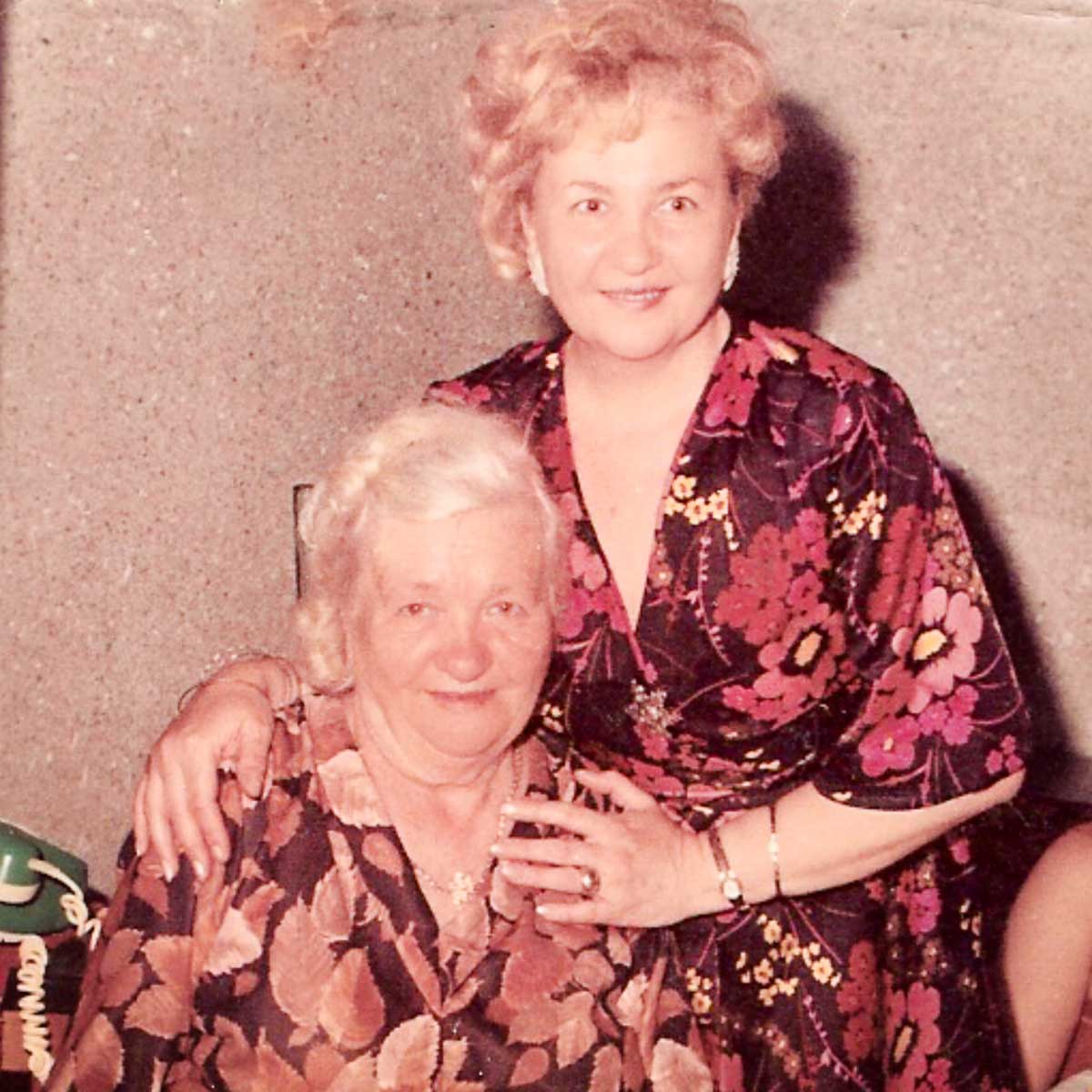
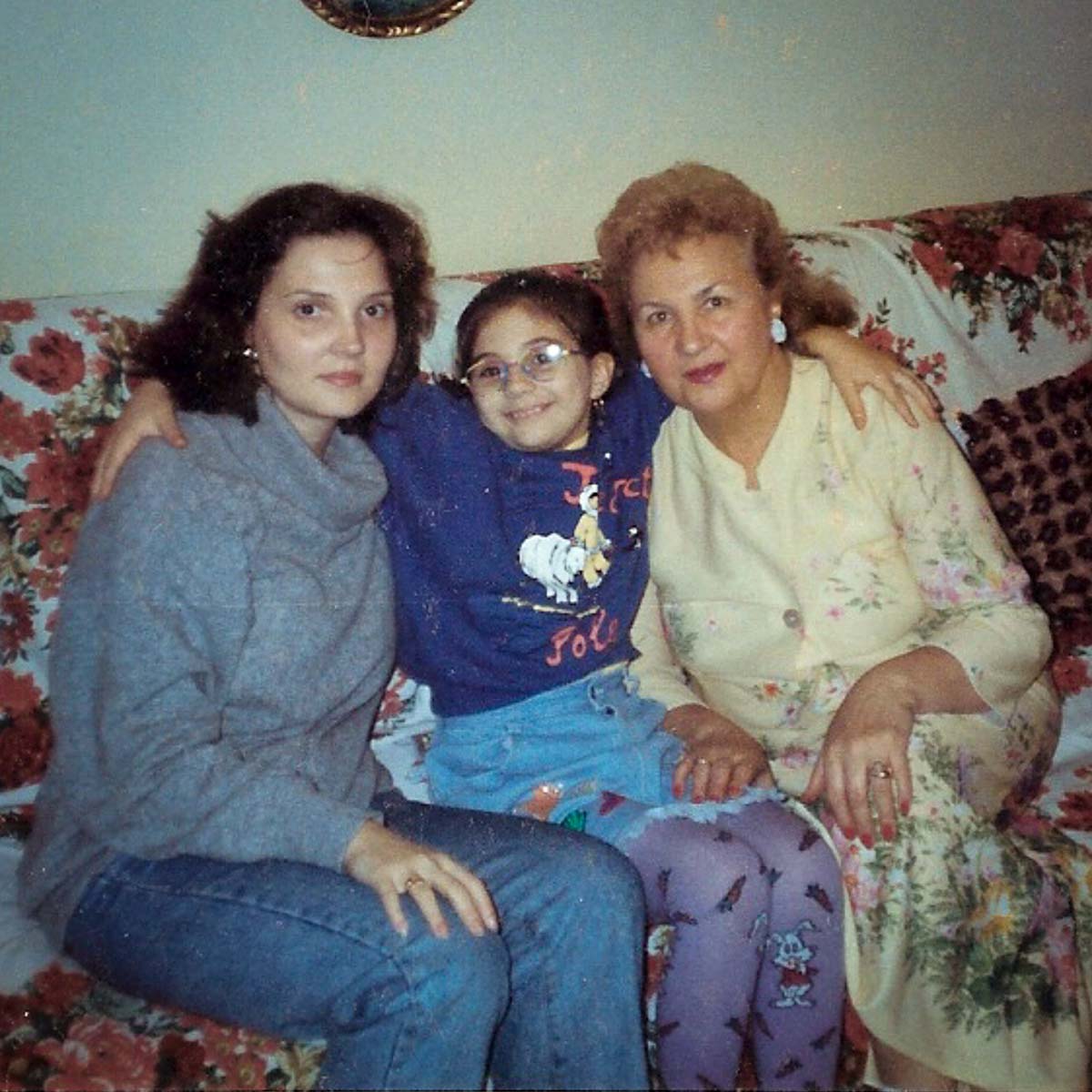
Four generations of women
This article is dedicated to my daughter, so her generation has better choices than ours did.
More Readings
- A New Era for Menopause Hormone Therapy
- Sensory Overload During Menopause: What to Know
- Breaking the Silence Around Menopause Hormone Therapy
- Marriage and Menopause: Why So Many Couples Struggle
- 5 Things I’d Do Differently If I Started Mounjaro Again


Leave a Reply